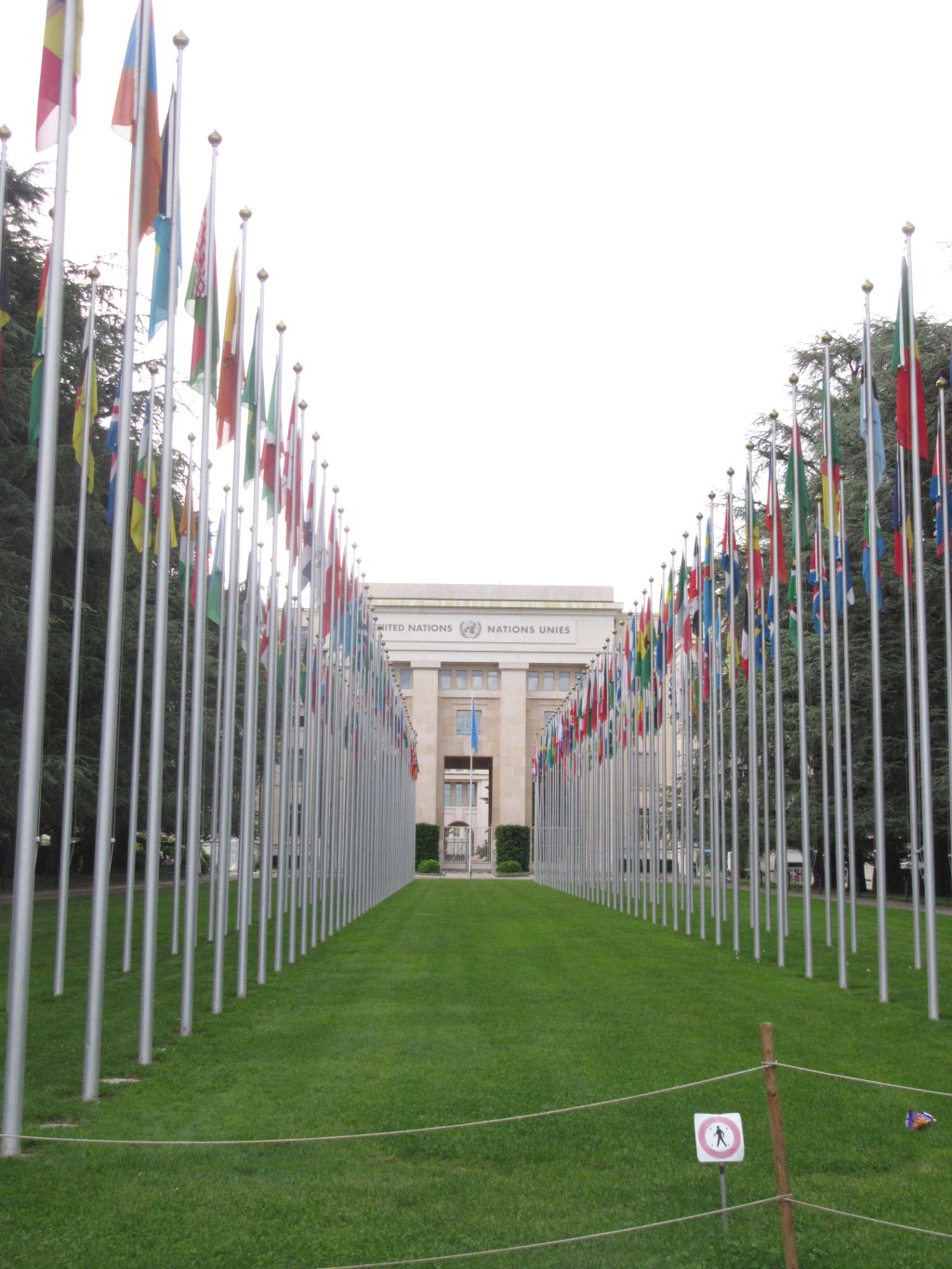
Geneva is one of my favourite places in the world. I’ve been lucky enough to visit countless times and never tire of it: Lac Léman framed by the Alps and Jura Mountains, its world-class museums, international organisations, great shops, beautiful green spaces and unexpected wildlife parks. It really does have a special vibe to it like no other.
Nansen had deep connections to the city through his work with the League of Nations and the International Red Cross and Red Crescent Movement, serving as the first High Commissioner for Refugees. Since becoming something of a Nansen obsessive, I decided to return this March with a new purpose. I assumed that, this time, I would notice traces of him I had previously overlooked.
To my great surprise, I found nothing.
In Nansen’s time, the Palais Wilson served as the main headquarters of the League of Nations. Yet today, there is no visible commemoration or mention of his work there. Between 1920 and 1929, the Assembly met at the Salle de la Réformation, located at the corner of Boulevard Helvétique and Rue du Rhône. That building was demolished in 1969 and replaced by a modern structure now housing the South African consulate. Again, I found no traces of Nansen.
At the Palais des Nations, I allowed myself a little optimism. After all, the United Nations Library holds an extensive Nansen archive. Surely there would be something – some acknowledgment of his foundational role in refugee protection.
There wasn’t.
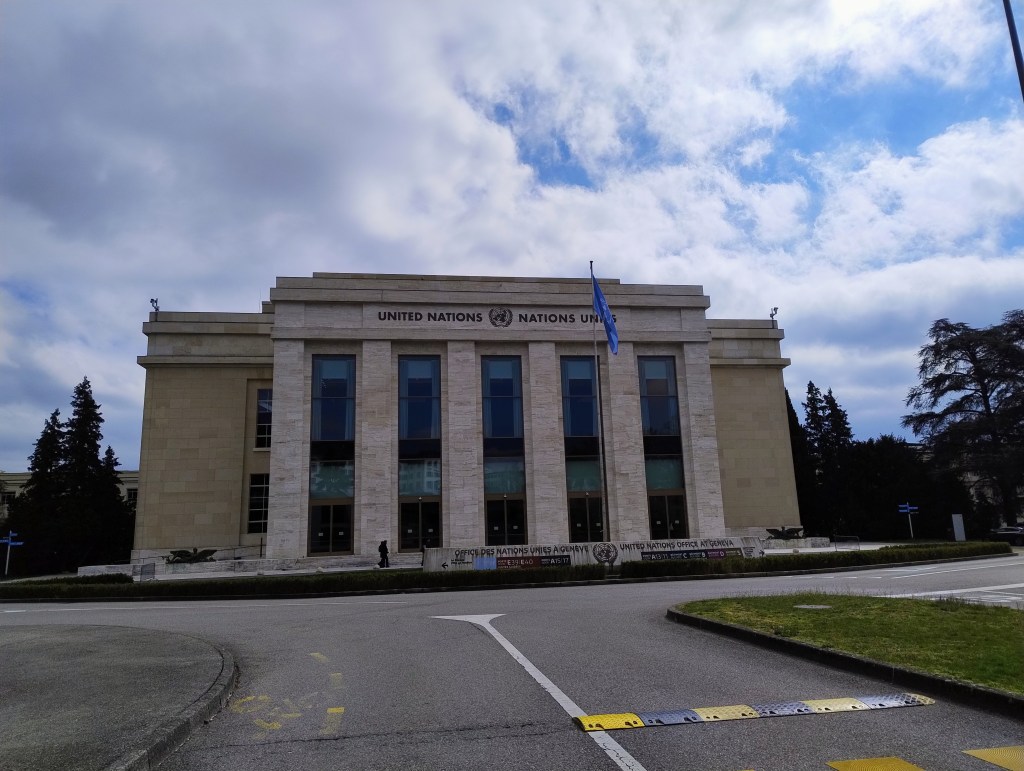
I really wanted to ask our tour guide why there’s no visible trace or acknowledgment of Nansen today or whether perhaps there is something hidden or not publicly displayed that I’m missing. But being painfully shy, I was unable to pluck up the courage. Leaving through the UN bookshop, I expected at least a book or postcard. Nothing. It was as if dear Fridtjof had never existed.
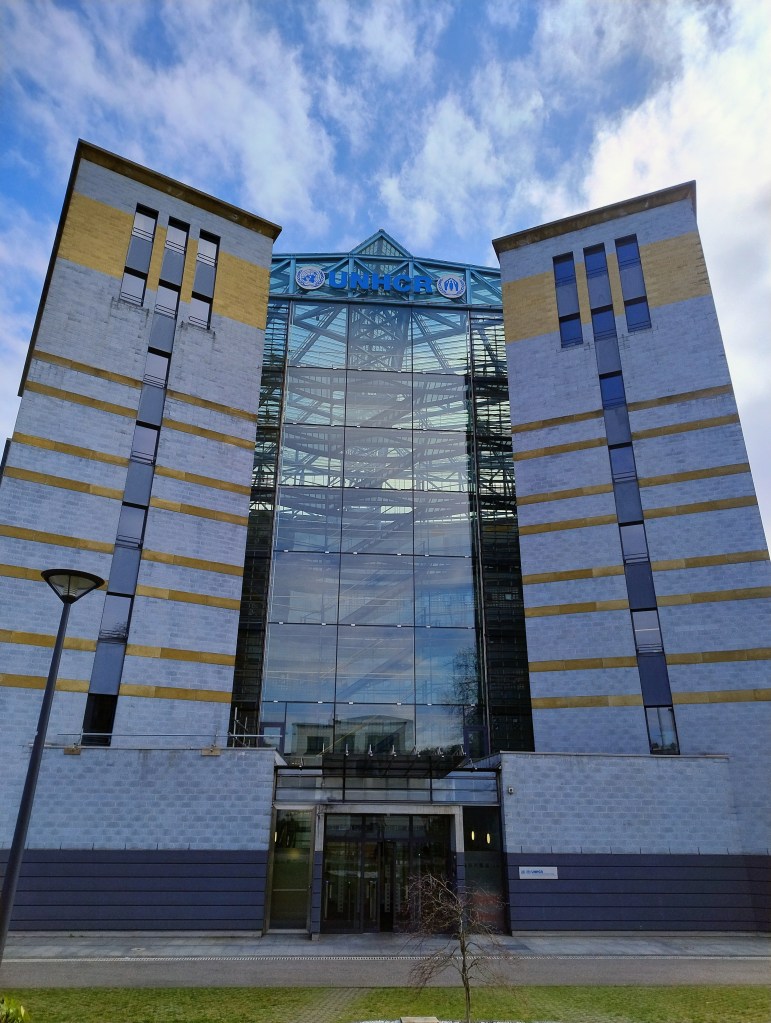
My disappointment deepened as we headed down the road to the headquarters of the United Nations High Commissioner for Refugees. Although not the original site of Nansen’s office, the institutional continuity is undeniable. Yet outside – and inside – I found no plaque, no statue, no visible marker of his legacy.
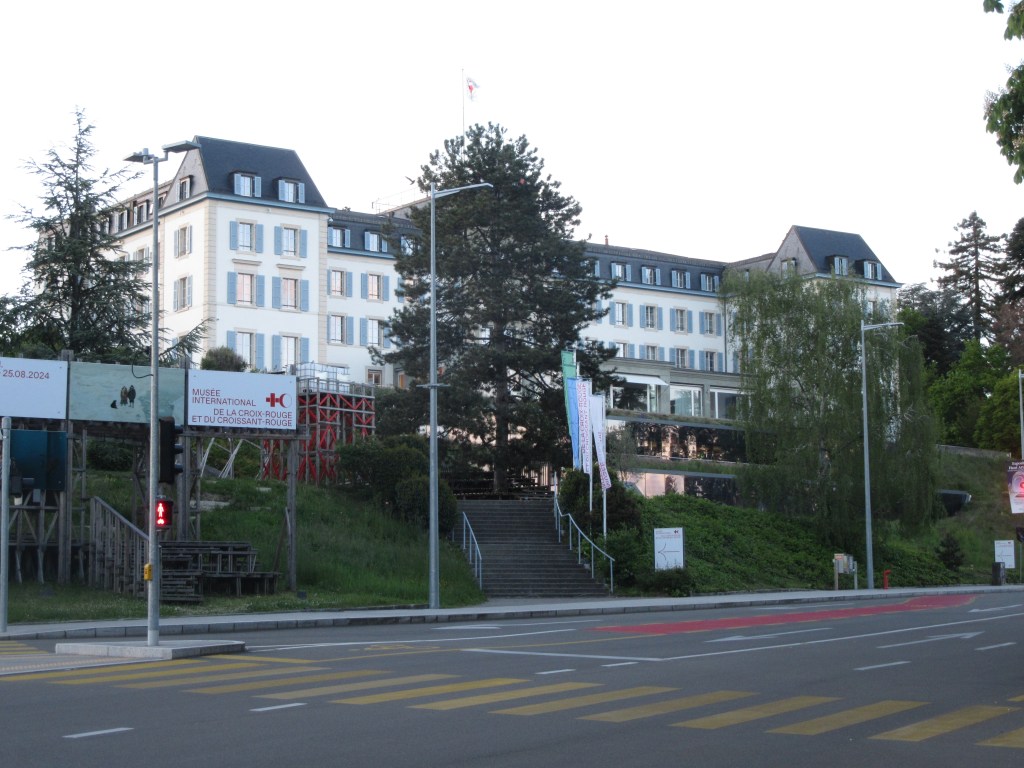
The following day, I visited the International Museum of the Red Cross and Red Crescent. In many ways, it is an excellent museum, offering a compelling overview of the organisation’s work. As a scholar of visual and material culture, I particularly enjoyed (if that’s the right word?) the artwork made by prisoners using makeshift materials, as well as the historical promotional posters. The section on the International Prisoners of War Agency, with its boxes of index cards and stories of reconnected families, was especially moving.
And yet, the museum has some gaps. The structural and organisational history of the Red Cross feels underdeveloped, and there is nothing on the interwar period. For me, this absence matters because it is precisely here that Nansen’s work belongs. His role in shaping humanitarian responses to displacement is fundamental, and yet it is nowhere to be seen. By this point, I was getting really frustrated.
As the museum is currently undergoing major redevelopment ahead of its 40th anniversary and the 120th anniversary of Henry Dunant’s death in 2030, visitors are invited to fill out suggestion cards about what they’d like to see in the renewed exhibits. Mine was simple: Fridtjof Nansen. Having searched the ICRC Library Collection before my visit and seen the wealth of Nansen material tucked away there, I couldn’t help thinking, why not bring some of it out for public viewing, pretty please?
Leaving through the gift shop, there was, of course, once again, not a single sign of Nansen.
At this point, I began searching more desperately online in case I had missed anything. I found an archived website from 2001 with details of a “peace trail” around Geneva, including a stop at 50 Rue de Rhône – once home to Nansen’s office.
So off we went, only to find that the building has been replaced by a modern commercial complex. There was not even a plaque to mark what once stood there.
The only faint echo was accidental: a Jaeger-LeCoultre watch shop beneath the building unintendedly reminded me of Nansen’s association with the clothing brand Jaeger!
In my academic work, I have written about semiotic landscapes – the ways language, architecture and spatial design in urban spaces communicate cultural values, hierarchies and power. In the case of Nansen and Geneva, the message is clear: absence. Unless I have overlooked something, he is entirely missing from the city’s semiotic landscape. Scholars such as Natalia Volvach have explored this idea of “absencing”, and it’s a line of inquiry I’d be keen to explore further.
So, I return to the title of this blog post: where has Nansen gone?
Why has a figure so central to the development of refugee protection – and a Nobel Peace Prize Laureate – been effectively erased from the city where so much of his humanitarian work took place?
Public memory shapes how we understand the past and, crucially, how we respond to the present. Nansen’s innovations – the ‘Nansen passport’, his work with stateless people, his vision of international responsibility – remain deeply relevant in a world still grappling with displacement and migration. To overlook him is not simply to neglect history; it is to weaken our ability to learn from it.
My wish to recognise Nansen publicly is not simply a case of hero worship or nostalgia. It is about continuity. It is about making visible the origins of ideas and institutions that still define global responses to crisis, especially at a time when the world can feel increasingly uncertain, and when it is tempting to believe that little has been learnt.
In the meantime, I have done all I could think to do: write a letter to the Norwegian ambassador to Switzerland, urging that this absence be addressed, perhaps in time for the centenary of Nansen’s death in 2030.
Because Geneva, of all places, should remember Dr Fridtjof Nansen.
And because absence, too, speaks.
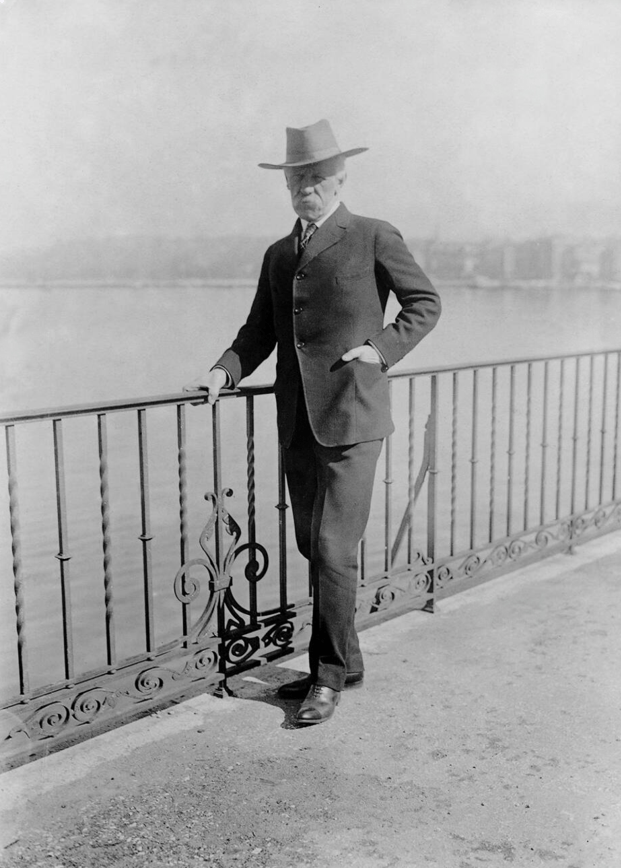
 Forgotten Fridtjof
Leave a comment